
Rombul - nothing random, nothing finished
Rombul - nothing random, nothing finished
Author: Mihai Răuta
Did you go to Târgu Jiu with your school or high school? With the slow, noisy buses, with many stops and maybe with a strict teacher who wouldn't let you move around the bus after so many hours of travel. I'd say we've all been through it. In communist times it was a mandatory trip, and if you didn't do it with the school, your parents would definitely take you.
It was memorable to enter Brâncusi's alley, passing by the Table of Silence, then the Kissing Gate and finally the Infinity Column, and then on the bus to free yourself, running through the Central Park, climbing everywhere and staying at the end with the huge images of the works, made as if for children by giants.
My kids and I did too. Even though Sasha, my boy, told me more about the fun on the bus and obviously about playing in the park, recently, when I was visiting with him for a work, at the popular wood craftsman Tudor Manciulea, he showed me some geometric motifs there that he had already encountered on the trip to Târgu Jiu. The craftsman had carved them on some 1.5 m wooden poles that ended with a bird at the end and were propped up in a corner of the room.
"Loman" the craftsman Manciulea told him, while my hand touched another staff of hard and heavy hornwood, whose hard surface was irregularly carved.
"My inspiration came from the cemetery in Loman, where Dacian burial traditions are still preserved," continued the wood artist. He also told us about how the folk craftsmen of the area created those pillars from oak wood up to 20 cm thick by carving and painting popular patterns, and how crosses were placed at the grave of women, pillars at that of men, and at that of lads (unmarried boys), a bird was added to the top of the pillars.
I looked at the objects created by the artist, touching the recesses, the carvings made by the chisel, always oblique, discovering the rhomboidal models, separated by lines, in an alternation whose continuity always led to the top, where symbols of the cross and sometimes messages aimed at that stylized bird, of a primitive form given by the rough cuts, only slightly smoothed by a plane.
I searched for more about Loman, or as it was called Lomaj (in GERMAN Lamendorf, in translation "Village of the lamb", in hungarian Lomány), a village in Săsciori commune, Alba[1].
The closest to him (so far), was to discover him in the work "Soul Bird"[2]of the anthropologist Alexandru Pavelescu, which contains a collection of personal studies related to funeral customs in the Alba area, but also of well-known Romanian ethnologists and anthropologists such as: Ion Muşlea, Ivan Evseev, Romulus Vulcănescu.
In the anthropological studies presented, we find the custom of placing a pillar, a carved wooden column, at the graves of young men, on top of which was a bird with the appearance of a dove (often with spread wings), next to which a fir stem cleaned of cetin was stuck almost to the top. The fir tree trunk was the height of the deceased and was brought from the forest with a ceremony during which the young people sang the "Song of the Fir Tree"[3].
The fir is a word that seems to come from the Dacian language[4] and is considered a symbol of eternal life, youth and vigor. For Romanians, the fir tree is the Tree of Life, the Column of Heaven, the Axis Mundi, the primordial cosmic tree, the main element in the "construction of the World".
The fir tree is represented in folk art by a triangle, similar to how its branches grow. The stylized use of plant elements flowers, leaves, trees (phytomorphic motifs) dates back to Neolithic times and reflects the importance of man's connection with vegetation.
When I was about 9-10 years old, my grandfather came with 3 small fir trees that he had received from Gheorghe, who worked at Ocolul Silvic, his son Moise Pârnuță, his brother, a war veteran and former forester. The summer vacation had just started and he called me to plant them near the fence, in Rucar, Argeș. We didn't really understand why we should plant them because we were very close to Podișor park where for many years, many fir trees had been planted that had become very tall in my childhood. After over 40 years, I was sitting again in the summer watching two of them reach over 20 meters in height. I would have liked to compare them with the more than 30 fir trees in Podișor park, which were 100 years old, but unfortunately, due to the "reason" of a neighbor to the park, I could not find them when I returned one summer. That's how I understood the purpose of the fir trees planted with my grandfather, Prof. Dr. Dr. Gheorghe Pârnuță[5].
But the tree is not part of the tradition only at funerals or weddings as we now frequently find it above the gates in villages, or the Christmas tree (a Western loan with its local desacralization). In the past, the tree was a part and at birth being given symbolically to the baby, or as a tree of judgment, alms, confession (prayer)[6].
At Loman, grave posts are still carved and fir stems are still placed. The poles are made of stronger essence because they are easier to work with, as the craftsman Eugen Gavrila from the village said in a video that I discovered[7]. The footage shows him starting work on a funerary pillar, starting from the middle and making the first signs, in the form of an x followed by 3 parallel lines, representing the XIII Roman legion.
I read that Legion XIII Gemini[8] it was stationed at Apulum (Alba Iulia) between 106-268 AD and became the main legion in Dacia, and the soldiers left at home received agricultural land here, it being possible that the traditions we are talking about were taken over from the Romans (a pole with a wooden bird pointed at the homeland was placed at the head of a dead soldier so that the soul would return home).
The origin seems to be much older than the Roman period, according to the Finnish anthropologist Martti Haavio[9], who mentioned the existence of this custom with funerary poles also in Northern cemeteries, a custom spread among the Indo-European peoples, in the form of totemic poles.
In the Romanian area, the custom was also frequently present in other villages in southern Transylvania neighboring Loman: Pianu de Sus, Purcăreți, Strungari or Laz, villages of Săsciori and Pianu communes. This Dacian custom with Roman elements is found in the area of the Sebeș Mountains, Orăștiei (where it was the civil and spiritual center of our ancestors), but also in Muntenia, especially in the area of Oltenia, near some former Dacian settlements.[10]
In the search I discovered many photos, which I did not take into the material, because each research is personal, and I hope the descriptions will be a source of inspiration for the readers' own step-by-step searches. How could we better discover the wonderful wooden pillars of Romanian houses than by touching them where they are still preserved: in the countryside, at folk craftsmen or at the Village Museums. Or maybe if we seek to bring these Romanian axis mundi into our homes, we can carve them ourselves, from leftover pieces of wood, raise them and watch how they unite with the sky, how the tree of life rooted through our hands continues and climbs to the limitless.
Creating the first diamond on a piece of wood is the easiest. And if you look at any Romanian folk decoration, the rhombus is the most easily recognizable shape.
In one of my visits to the Village Museum in Bucharest, I saw some wooden houses that had models with a large rhombus on the door, a decoration that I frequently saw in many houses built in the 20th century in villages, either, particularly on a wooden board above the entrance door a rhombus in an elongated horizontal position. Documenting myself, it seems that this is a folk craftsman's way of representing the eye of God, watching over the house.[11]
But I discovered in various published materials[12] that the symbolism of the rhombus is much more varied, being able to represent:
- The sun (heat, light and life),
- Eternity, the wheel (cycle of life and death)
- Fertility of the soil
- Protection (closed form gives power over evil)
- Balance (transmits order and stability)
- The fir tree (mirror drawing of the triangle that schematically represents the fir tree)
- Two opposite principles (union of two sky/earth or masculine/feminine triangles)
- Deities (ancient symbols, from the Cucuteni Culture period, ancestral representations of deities)
- Female vulva, creation
- Cross (the tips of the rhombus are the extremities of the cross, energy generator that aligns and balances the energy of the body)
Precisely this palette of symbols and interpretations contributed to its frequent use in Romanian folk ornamentation on ceramics (pots, plates), paintings (murals, icons), architecture (walls, ceilings, columns, building ornamentation) and textiles.
And when I talk about textiles, I realize how much the rhombus accompanied my childhood without realizing it: the repetitive patterns on the curtains, the embroideries so often found above windows or on kitchen cabinets, the miles placed on tables or other furniture items, the gauze. Yes, the quilt from the needlework that had to be done at school by both boys and girls, sewn with red or black thread, with endless x's, then depending on where the needle went under, they became squares with an x in the middle, or diamonds.
At Rucar[13], where I spent my summer vacations at my grandfather's house, I had black blankets on the beds, with red and yellow stitching in large raised diamonds on which I drove my cars on highways bordered by thick looped thread. There were designs of empty diamonds into which were woven other diamonds filled with vivid colors. And the cars I drove at speed cutting the sharp curves of the rhombuses, peering from the level of the blanket and looking for a bigger perspective on the playground from the bed. One of the blankets was dark green with orange diamonds and I had it on the cold walls next to the bed in the corner of the room. It was summer vacation in the mountains, and the temperature outside was only indicated by the steam you exhaled when going to the toilet in the yard, which had a diamond-shaped opening in the wooden door, through which you could see if it was occupied and get a little light at night from the moon.
Or the game with the penknife where I hollowed out and cut the bark from the still green hazel wood into alternating squares, diamonds and x's to make a cane to defend myself from the dogs in the forest. I remember now that everywhere in the village there were rhomboidal shapes: on the dark brown wooden pillars from the window of the house of the priest Spirića from the church in the center of the village, or on the huge wooden gate in front of the house and continued on the gate of the adjacent church, on the pillars the bridges over the Râușor and on the ceilings that I dreamed of in the living room, painted with traditional Romanian patterns in the sacred colors - red, black, but also with yellow, green and blue.
I found the symbols of the blankets explained later like this [14]: "on the carpets from Maramures and those from Banat, we often find several small rhombuses contained in a larger rhombus or rows of rhombuses, indicating, in the first case, the idea of fecundity, and in the second case, having the meaning of the continuity of the race on the female line."
It is one of the explanations, but perhaps the most practical is related to the fact that it can also illustrate the circle, which, although it is a fundamental element in the life and culture of the Romanian village, is very rarely found in fabrics due to the technical difficulty of execution (the technique of perpendicularly crossing the threads makes it very difficult to make the circle)[15].
I realize that if I had a needle in my hand and a canvas, or a piece of wood and a knife, the first shapes I would make would be the line, the triangle or the rhombus. This practically happens in the immediate reality of a child or an adult, but when man does not limit himself to it and uses or understands symbols, he can reflect on the past, project into the future or solve problems and become creative. It sounds familiar to the modern man, but in the case of the man from the village, symbolism always had a more natural role, that of protection and this was transmitted through different ways (textiles, wooden objects, constructions, etc.) from generation to generation.
I looked with different eyes at one of the ones I have at home, which has a stitched pattern on the sleeves made up of only two blue rhombuses joined end to end. Doesn't it resemble a well-known mathematical symbol? The infinity symbol maybe?
The infinity symbol from the chain of rhombuses led me to the most famous modern Romanian but also universal work of art
"The shape of the Pillar, the simplest of all, is that of a stalp de cemetery from us, an archaic symbolic motif, which we took up again without any conceit as an artist, as we learned from the elders", the sculptor Brâncusi testified.
In 1920, in the garden of his friend Edward Steichen's villa in Voulangis, near Paris, Constantin Brâncuși sculpted and installed the first version of the Infinity Column. It measured 7 meters and 17 centimeters and was carved in 3 days, in the wood of an oak fallen on the villa's grounds. Its rise was immortalized by the photographer-painter Steichen.
Also from the photos[16], this time made by Brâncuși at his workshops in Impasse Ronsin between 1917 and 1920, one can see wooden columns with 2, 3, 6 or 9 rhomboidal modules each, models that preceded the first version installed on the villa grounds, showing his concern for this form and perfection.
Reading the History of the Infinite Column, by Sorana Georgescu Gorjan[17], I realize that nothing is accidental in the context where the first plans to transpose the structure were in New York from 1926, but it became his only work in a public space only in Târgu Jiu in July 1938*, close to the source of the form, with the help of an innovative Romanian engineer (the author's father) and with a structure made in Petroșani from materials extracted from his native land.
And the famous photo from 1937[18] of the location at Târgu Jiu, made by the engineer Georgescu-Gorjan, on which Brâncusi drew the sketch of the column in blue ink, tells me even more that the work was intended for the place of the source of inspiration. The pen-drawn shapes were not rhomboids, but rather curved, unclosed, allowing a comparison rather to a braided tail or a twisted rope.
Originally called the Peace Monument, the monument intended to honor the heroes of the First World War, became the Endless Column.
Brâncuși kept trying to achieve "a character of definitive perfection" in the work. Stefan Georgescu-Gorjan[19] he said about the artist's columns that they are "the symbol of infinity itself, a quasi-mathematical symbol of the new aesthetics". This was done in search of the ideal proportion between the small side, the large side and the height of a rhomboid which led to the discovery of the "law of plastic harmony" (1:2:4) which he applied to all his columns". Brâncusi's column reached the ideal of the "flexibility formula", a concern similar to that of other artists and architects for the aesthetics of the golden ratio.
In the Infinity Column, the main element is the rhombohedron, with 4 elements that have 8 faces – 8 triangles. The column has 15 rhombohedrons and 2 halves, so 16 in total.
4x8x16=512 golden triangles or 8x8x8.
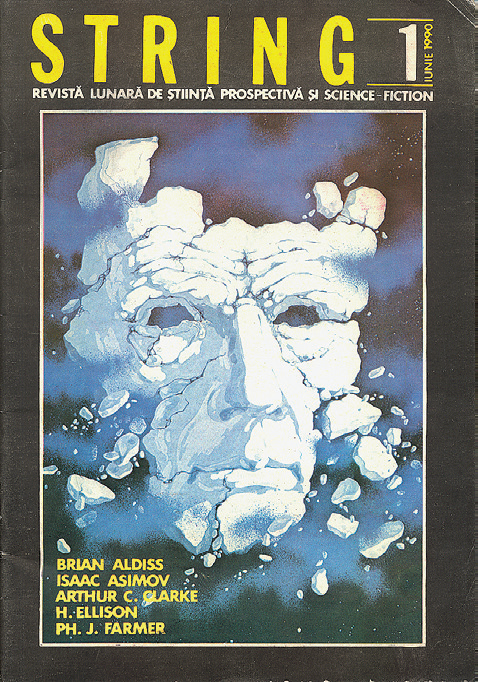
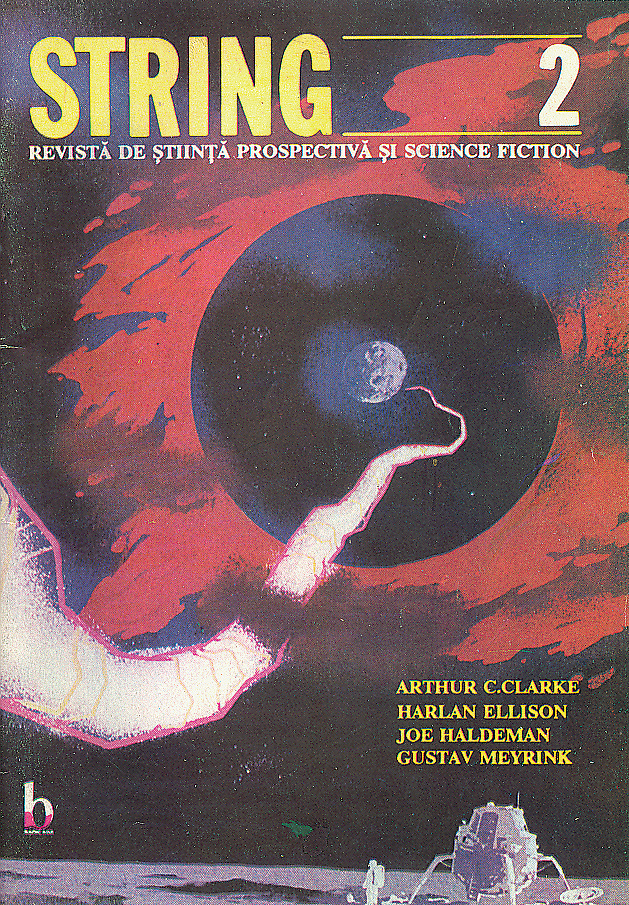
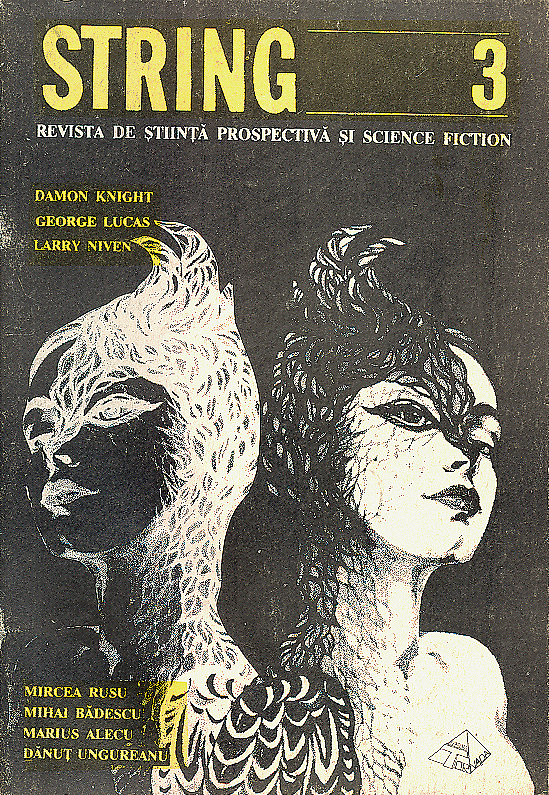
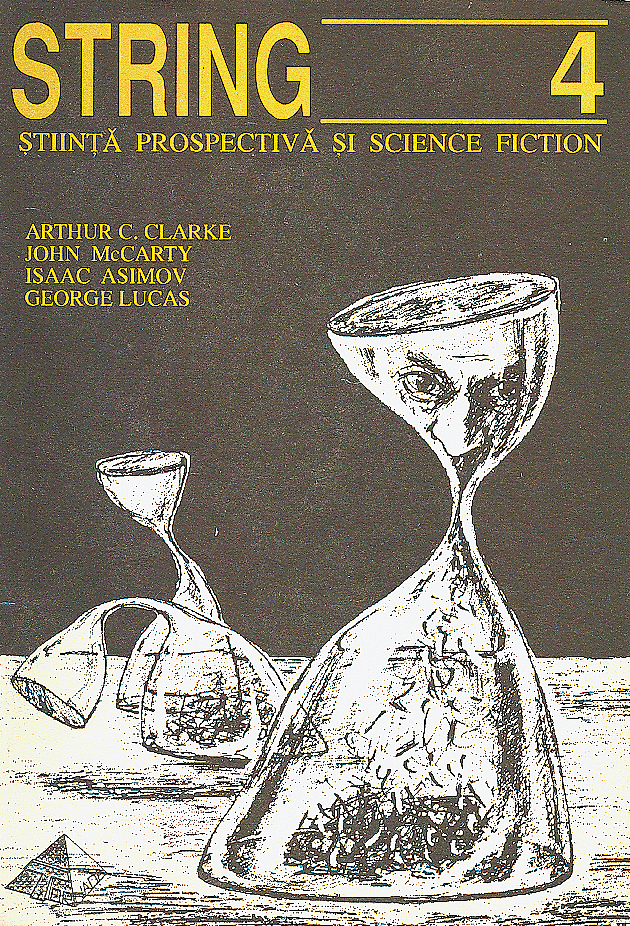
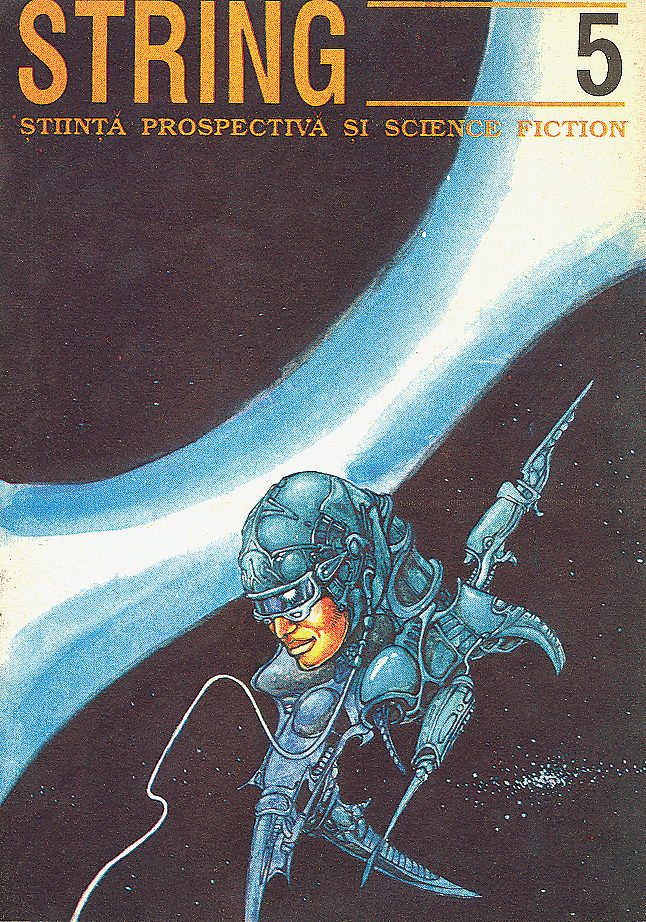
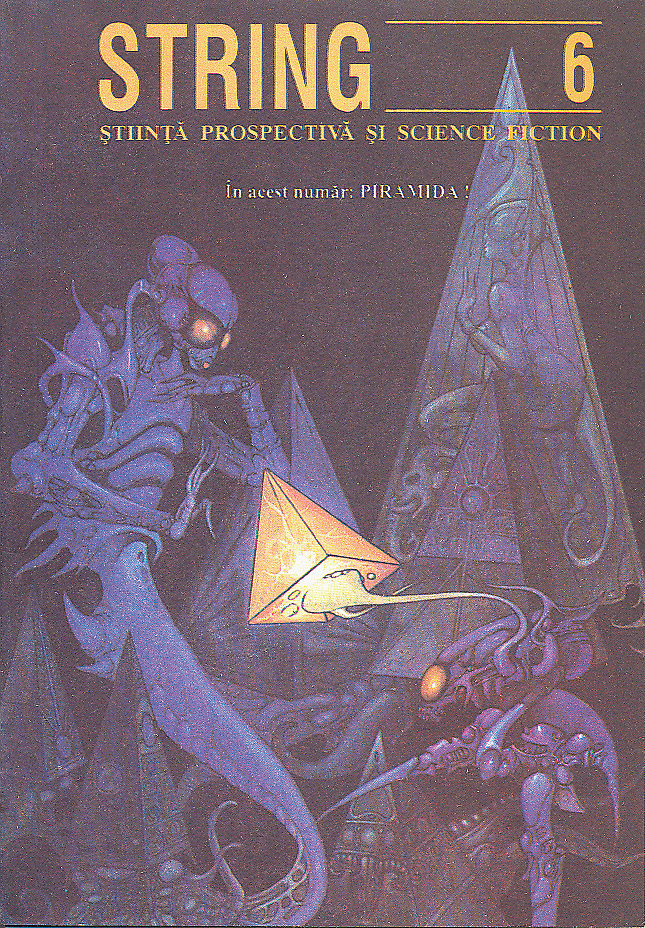
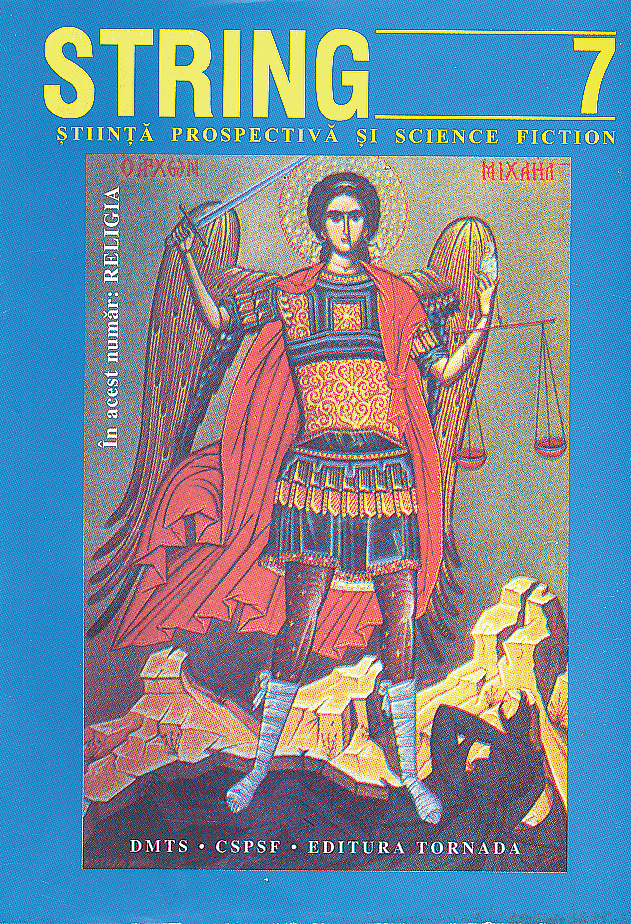
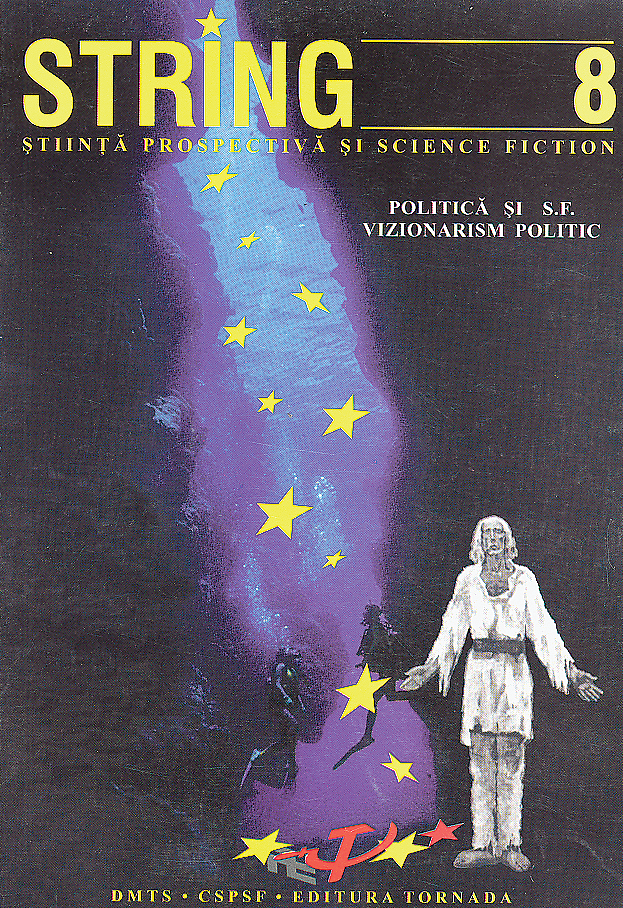
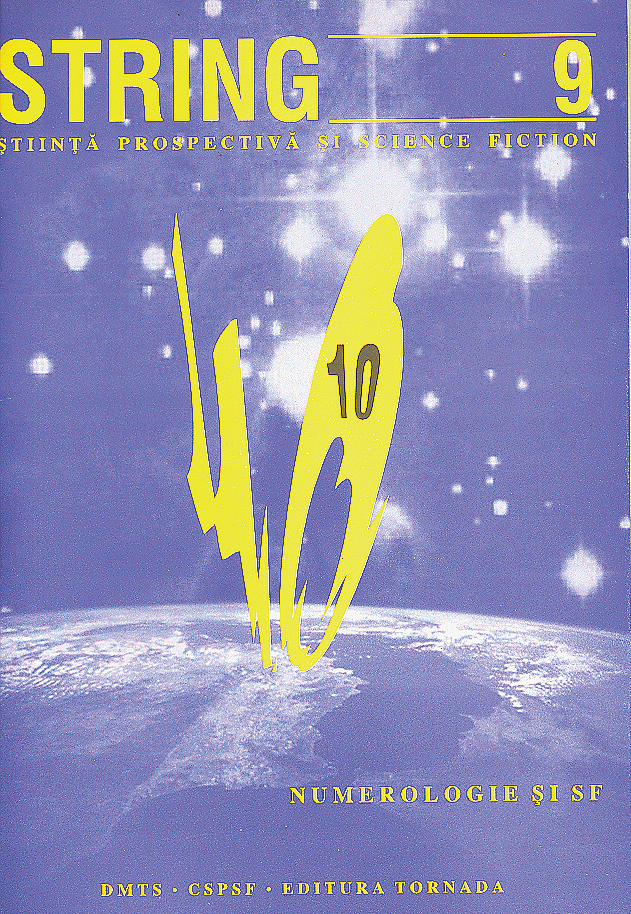
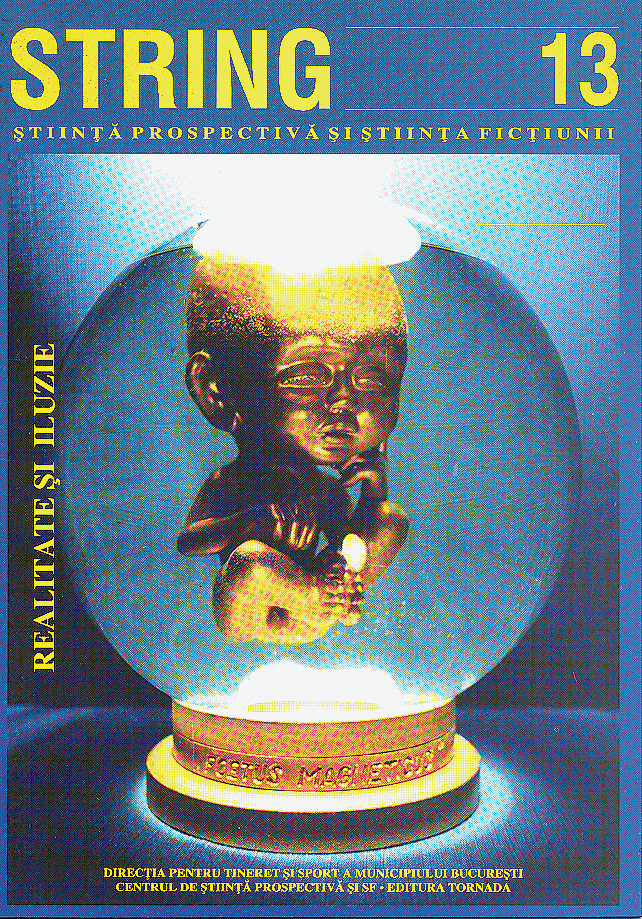
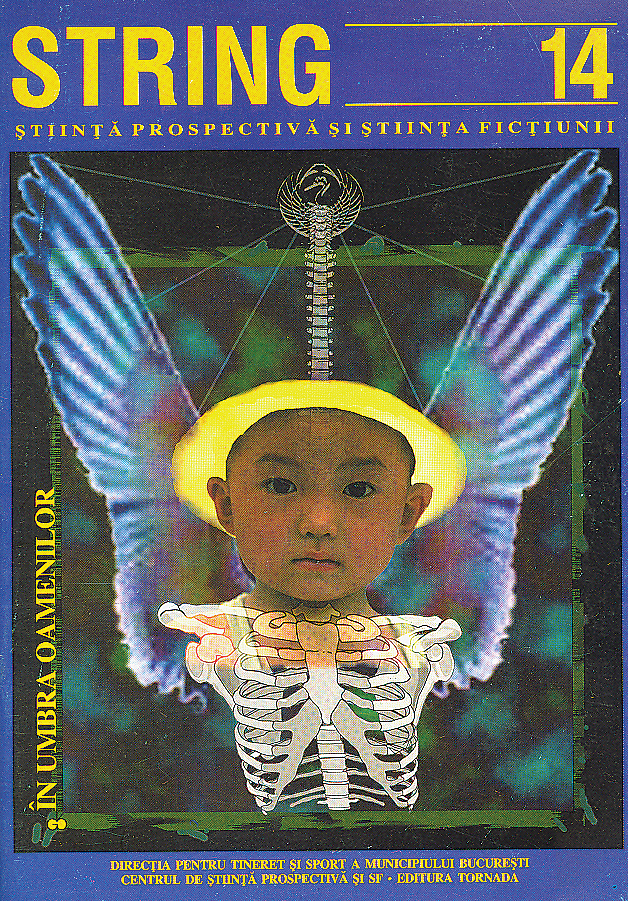
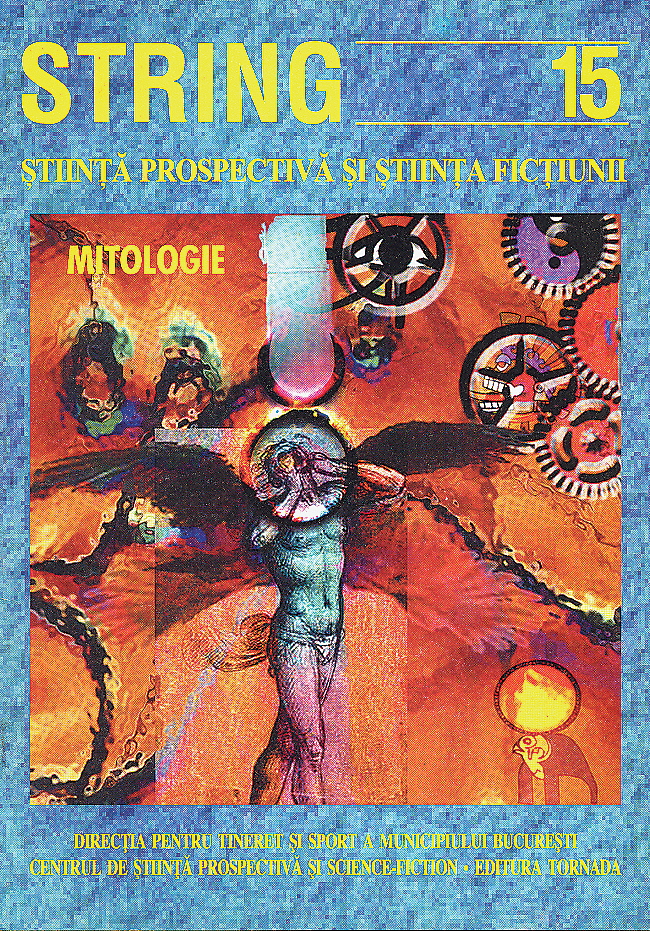
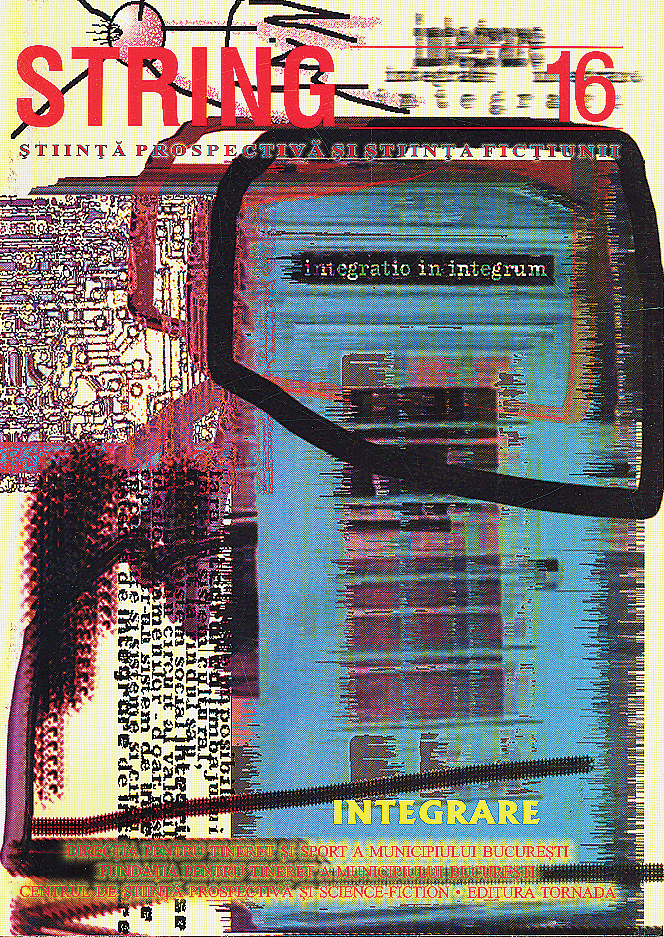
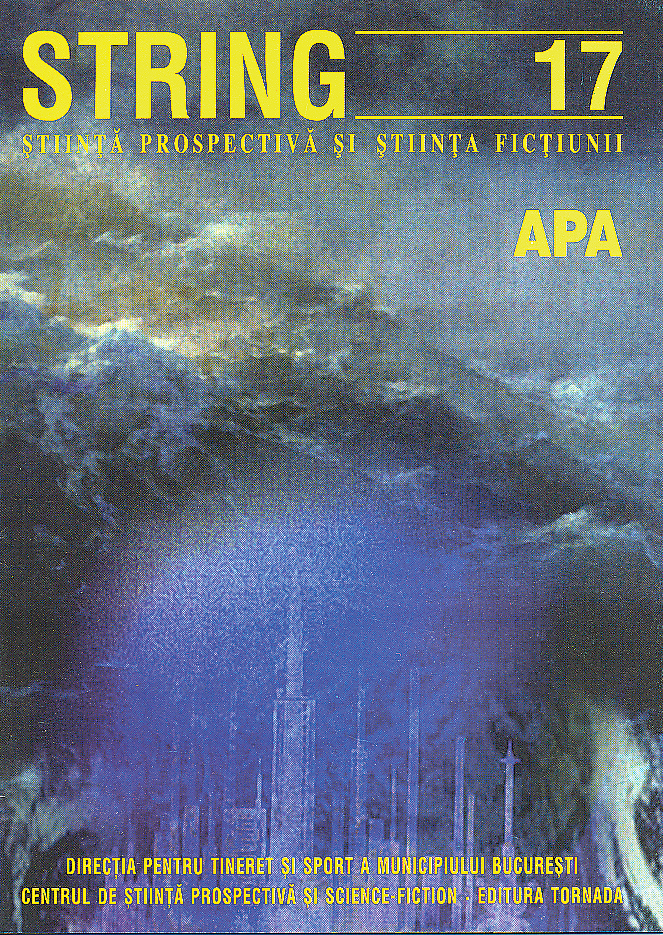
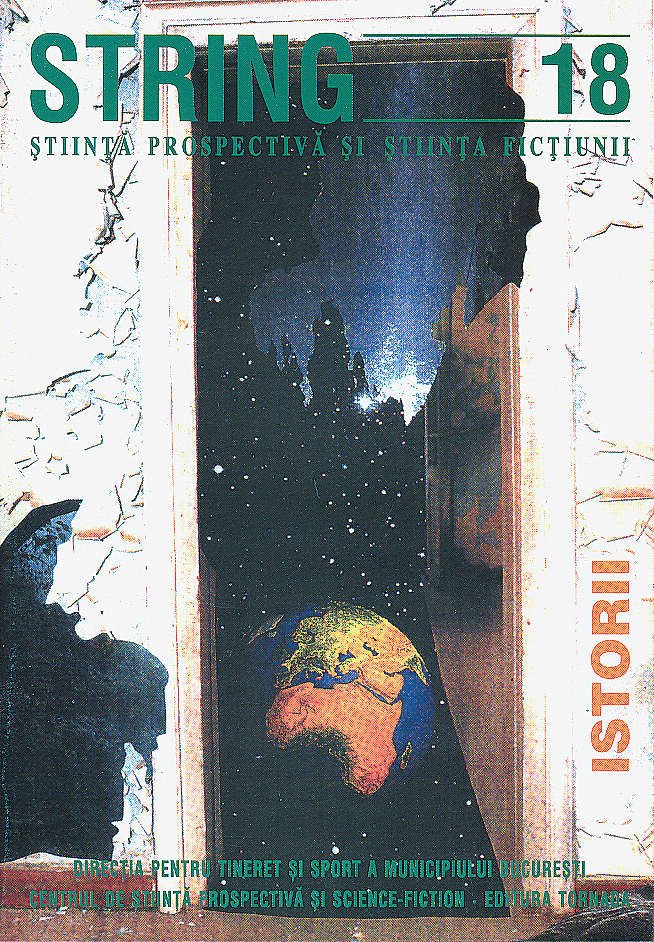
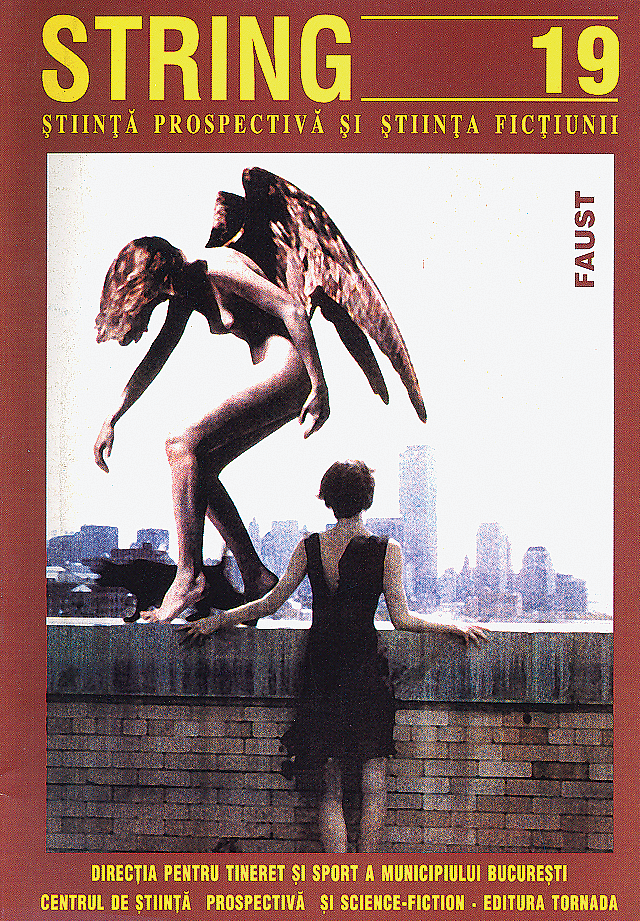
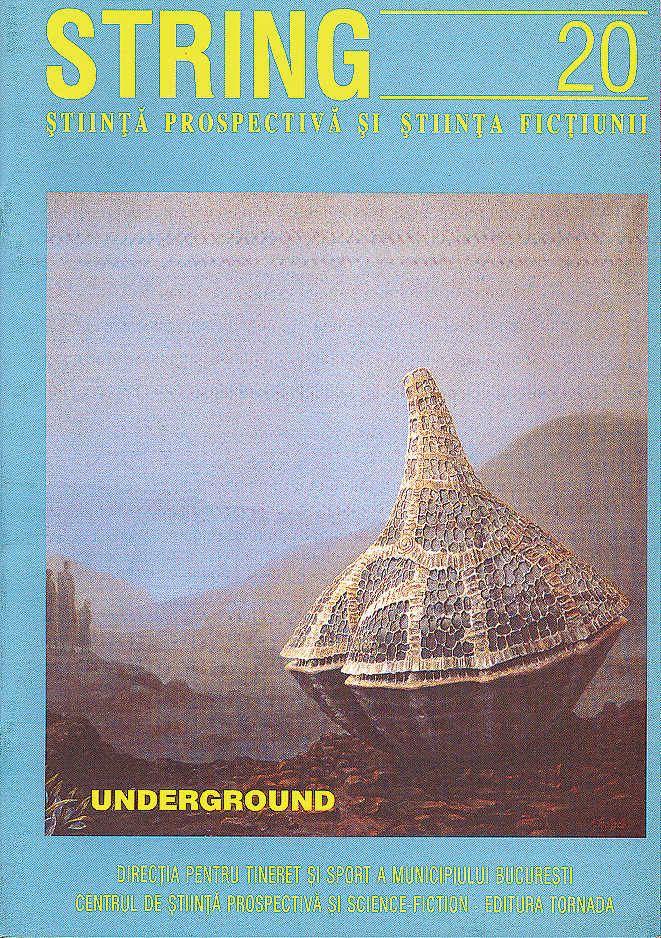
All these figures and calculations lead us to the idea of sacred geometries, of fractal geometries that define the repetitive structures in nature, those geometric archetypes in which metaphysical principles are reflected and that show that there was an inseparable relationship between the part and the whole. In the 90s, within the String Cenacl, professor Florin Munteanu opened our minds, describing fractal theories and giving lectures about the organization of nature and the way we interact with it. Thus, it is now easier for me to imagine that the mathematics of art and the mathematics of nature cannot be random choices of the sculptor artist. Brâncusi himself mentioned this in an interview with the editor of The Arts magazine:
"Each form in nature is a creature that has its own individual life, its own individual character. Art must enter into the spirit of nature: creation does what nature does, it creates organisms in forms and with their own existences."
When I also read about Brâncuși's choice to give a metallic golden yellow color to the rhomboids... it was enough to start looking for other non-artistic elements related to the work.
The number Φ[20], maybe it is just a coincidence, maybe it is an encrypted message in the proportions of this column but also in other works of the artist (eg Poarta Sărutului), but the opinions published by Adrian Gheorghiu, Ion Mocioi, the mathematician Nicolae Oancea, Sorin Buliga and others should not be neglected[21]. I think the memoirist and essayist Petre Pandrea concludes it best[22]:"We consider that the explanation of the man and the work of Constantin Brâncuşi poses, from a methodological point of view, a series of problems for the literary and plastic critic, which he cannot master with the aesthetic method".
It was also interesting from a technical point of view with a report that stated that in 1984, after 47 years, the research done by INCERC[23] they revealed a very good condition of the column, the minium lead paint, the metal of the central pillar (even though it was filled with concrete), but also of the hollow cast iron rhomboidal elements that were plastered on the central pillar. Similarly, the calculations made related to the structure's rigidity and dynamics in relation to seismic risks "allowed favorable assessments of future durability".
The innovative technical solutions and careful calculations of the engineer Georgescu Gorjan, the supervision of the quality of the materials and the workmanship of the Romanian workers, the balance of the chosen dimensions of each element by the artist, all combine to create a solid bridge over time for the work.
And in an ironic way, as a proof of its resistance over time, is the fact that it withstood 3 demolition attempts by the communist authorities between 1949 and 1953[24], the last implemented for the collection of scrap metal by a local activist T. Lolescu with the help of an IAR tractor with chains, in 3 failed attempts (n.a probably with an IAR 22 tractor of 38 horses, model from 1946, with 1,225 kgf[25])
I looked for information with the mentality of an engineer that led me to even more opinions of some researchers, to then reach the advice from the heart of the artist Brâncusi:
"Look not for obscure formulas, or mysteries. For what I give you is pure joy. Contemplate my works until you see them. Those near to God have seen them. In art, what is important is joy."
But I still let myself be carried away by Mircea Eliade who was concerned in a unique way to understand the messages of Brancușian art:[26].
"It is notable that Brâncuşi did not choose the pure form of the column - which could only have meant the plinth, only the foundation of the sky, but, in an indefinitely repeated rhomboidal shape, the one that makes it similar to a tree or a pillar notched all around. In other words, Brâncuşi revealed the symbolic meaning of ascent, because we can imagine that in this celestial tree we have the desire to climb"
In the footsteps of Brâncusi's endlessly strung "beads" and in the footsteps of Eliade, I ended up reading the play "The Endless Column" written by Eliade in 1970 in Chicago[27].
It begins as the Commissioner and the teacher, who are near the construction work, ask the artist Brâncuși to cut the column in half or tilt it because there are children who climb the column attracted by its height and then disappear.
It seemed to me something familiar in the temptation of childhood to climb the attic, to find something there, to look over the house closer to the sky, to sit in the hay as if you were standing on a cloud, to lose yourself from the adults, dreaming, risking climbing a wooden ladder that swayed dizzyingly, supported almost vertically, without being caught by the edge of the bridge.
"BRANCUŞI: It's not a bridge. It's a column. A pillar. The pillar of the sky, that's what people called it here and when you prop it up in the clouds, you won't see the end of it...
A WOMAN: But can you ride it?
BRANCUŞI: You can climb... but it's hard! That if you start climbing, you don't stop and you get too far."
I started my search for one of the simplest shapes from the Romanian cultural tradition - the rhombus. Step by step I discovered, perhaps only a few parts, those that connected along the way from the perspective of my own experience. I discovered documents and works of art made by ethnologists, ethnographers, writers, essayists, historians, artists, all about the Romanian's relationship with nature, with his history, so that in the end I understand that more and more often, we begin to search a lot outside, far from us, when we already have all the answers inside, and that in my case, the rhombus was already part of me forever in the Romanian village of Rucăr, on the unseen path created by parents, grandparents and great-grandparents.
I remembered that there was a video recently circulating on Facebook that I thought I had easily passed over, but which seems to have remained in my memory. There was a recording with Brâncusi's voice saying:
"Art must bring closer, not distance, fill, not dig chasms in our poor spirits, and so quite racked with questions."
And once I received the message, another quote from Brâncuși carried me through time, not by chance:
"I would like my works to be erected in public parks and gardens, for children to play on them, as if they were playing on stones and monuments born from the earth, for no one to know what they are and who made them, but for everyone to feel their necessity and friendship, as something that is part of the soul of Nature..."
Good thing I played at Târgu Jiu in the Central Park when I went on the school trip...
[1] https://ro.wikipedia.org/wiki/Loman,_Alba
[2] The Soul-Bird: Study in Indo-European Cultural Anthropology, 2008, Alba Iulia
[3] Fir: sacred and secular poses - from "totem tree" to Christmas tree, Iulia Gorneanu, Romanian Academy Library Review, Year 3, No. 2, 2018
[4] BP Hasdeu, Etymologicum Magnum Romaniae; Ioan I. Russu, The language of the Thraco-Dacians
[5] https://ro.wikipedia.org/wiki/Gheorghe_Pârnuță
[6] Fir: Sacred and Secular Hypotheses, Iulia Gorneanu, Romanian Academy Library Magazine, Year 3, No. 2, July-December 2018, p. 75-85.
[7] https://www.youtube.com/watch?v=2b_xMVbUELwFuneral pillars – Eugen Gavrila, Loman, Alba county
[8] https://ro.wikipedia.org/wiki/Legiunea_a_XIII-a_Gemina
[9] The Soul-Bird: Study in Indo-European Cultural Anthropology, 2008, Alba Iulia
[10] The Soul-Bird: Study in Indo-European Cultural Anthropology, 2008, Alba Iulia
[11] Zelenciuc V., Bâtcă M., The universe of the peasant world inscribed in a rhombus. In: Magazine of
Ethnology, 2001, p. 8
[12] The meaning of decorative motifs in ornamental iconography - Ludmila Moisei, Chisinau, 2024; Traditional Maramuresian art and ancestral symbols – The rhombus, the twisted rope, Delia Anamaria Răchișan, Scientific Bulletin, Fascicula Philology, Series A, Vol XXVIII, 2019
[13] https://ro.wikipedia.org/wiki/Rucăr,_Argeș
[14]Ivan Evseev, Dictionary of magic, demonology and Romanian mythology, Ed. Amarcord, Timisoara, 1997
[15] The perpetuation of the rhombus in traditional Romanian art, Lucia Adăscălița, Viorica Cazac, Art and Design No2, 2022, (Gheorghiță, Ziarul Cultura)
[16] Brancusi, photographer, Ed Agrinde, 1979 –
[17] The history of the infinite column, Sorana Georgescu-Gorjan, Ed. Destin, 2001
[18] https://adevarul.ro/stiri-locale/timisoara/schita-originala-a-coloanei-infinitului-a-fost-1662312.html
[19] Ștefan Georgescu-Gorjan – Memories about Brâncusi, Romanian Writing, Craiova, 1988
[20] Φ (uppercase phi) or f(lowercase phi), golden section, golden ratio, golden proportion, fi, is the first irrational number discovered and is equal to 1.618033
[21] Mocioi Ion. Brâncuşi the sculptural ensemble from Targu Jiu, 1971; Ramiro Sofronie. Brâncuşi and the obsession with gravity; Sorin Buliga. Brâncusi. Philosophy, Religiosity and Art. Semănătorul Publishing House, 2009; Nicolae Oancea. Brancusi the Pyragoreic. Eminescu Publishing House. 2004.
[22] Petre PANDREA, Brâncuşi: The Craiova Rule; Brâncusi's ethics, Ed. Vremea, Bucharest, 2010,
[23] The engineering of the infinite column from the shape given by Constantin Brancusi to the innovative structure made by the engineer Stefan Georgescu Gorjan, Dr. Eng. Emil Sever Georgescu, AGIR Bulletin 1/2019
[24] https://historia.ro/sectiune/general/coloana-fara-sfarsit-era-cat-pe-ce-sa-si-gaseasca-569722.html
[25] 8,800 kgf applied according to the History of the Infinite Column, Sorana Georgescu Gorjan, Destin Publishing House, 2001, p31
[26] Mircea Eliade, Brancusi and the mythologies, in Testimonies on Brancusi, Paris, 1967
[27] The Endless Column, Mircea Eliade, Romanian Writers Magazine, September, 1970, no. 9
Author

- Select language
 Română/carti/infinit/rombul-nimic-intamplator-nimic-finit/
 Deutsch/de/carti/infinit/rombul-nimic-intamplator-nimic-finit/
 English/en/carti/infinit/rombul-nimic-intamplator-nimic-finit/
 Español/es/carti/infinit/rombul-nimic-intamplator-nimic-finit/
 Esperanto/eo/carti/infinit/rombul-nimic-intamplator-nimic-finit/
 Français/fr/carti/infinit/rombul-nimic-intamplator-nimic-finit/
 Italiano/it/carti/infinit/rombul-nimic-intamplator-nimic-finit/
 Latīna/la/carti/infinit/rombul-nimic-intamplator-nimic-finit/
 Português/pt/carti/infinit/rombul-nimic-intamplator-nimic-finit/
 中文(简体)/zh/carti/infinit/rombul-nimic-intamplator-nimic-finit/
 日本語/ja/carti/infinit/rombul-nimic-intamplator-nimic-finit/
 한국어/ko/carti/infinit/rombul-nimic-intamplator-nimic-finit/
Edit Translation